Travel insurance is a vital shield for globetrotters, ensuring peace of mind amid the unpredictability of adventures. Whether you’re wandering through bustling cities or exploring remote landscapes, the right insurance can protect you from unforeseen circumstances that could derail your plans. With the rising number of travelers opting for insurance, understanding its significance has never been more crucial.
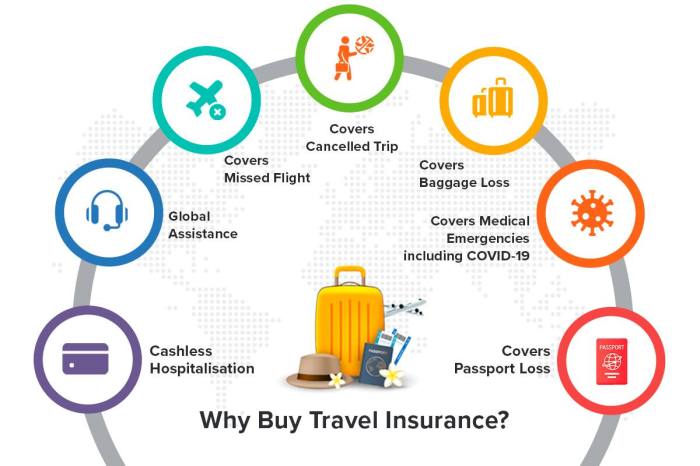
From covering trip cancellations and medical emergencies to safeguarding your belongings, travel insurance encompasses a variety of protections tailored to your needs. As we navigate through the different types of travel insurance available, we’ll uncover the essential factors to consider when choosing the right policy, ensuring that you travel with confidence.
Importance of Travel Insurance
Travel insurance serves as a safeguard for travelers, ensuring peace of mind in the face of unforeseen events. As adventure beckons, many overlook the significance of securing their journeys against potential mishaps. Travel insurance protects individuals against a range of risks, from medical emergencies to trip cancellations, emphasizing its essential role for anyone venturing beyond their hometown.
Traveling without insurance can expose individuals to substantial financial risks. Unexpected events such as sudden illnesses, accidents, or lost luggage can lead to hefty expenses that travelers may not be prepared for. A single medical emergency abroad could result in thousands of dollars in medical bills, depending on the healthcare system and services utilized. Moreover, trip cancellations due to personal emergencies or natural disasters can lead to non-refundable expenses that insurance can cover. According to a survey by the U.S. Travel Insurance Association, approximately 65% of travelers opt for travel insurance, highlighting an increasing awareness of its benefits. Many of these insured travelers report significant savings in the event of an emergency, making travel insurance not just a precaution but a practical necessity.
Financial Risks of Traveling Without Insurance
Travelers without insurance face various financial risks that can severely impact their trips. The following points Artikel these risks and the potential consequences:
- Medical Expenses: A single hospital visit abroad can cost thousands, especially in countries with high healthcare costs. For example, a routine appendectomy in the U.S. can range from $10,000 to $30,000, depending on several factors.
- Trip Cancellation Costs: Cancellation fees for flights, hotels, or tours can add up quickly if a trip must be canceled due to personal or environmental reasons. For instance, non-refundable airline tickets can average between $200 to $1,000 per person.
- Lost or Stolen Property: Replacing lost or stolen belongings can be costly, particularly if valuable items such as electronics or jewelry are involved. The average cost of replacing personal items can easily exceed $1,500.
- Emergency Evacuations: In extreme cases, travelers may require emergency evacuations due to natural disasters or serious medical conditions, with costs potentially reaching $100,000 or more.
Travel insurance is an investment in your peace of mind, providing financial protection against the unpredictable nature of travel.
Statistics indicate that the benefits received from travel insurance far outweigh the initial costs. Many travelers find that having coverage not only protects their finances but also enhances their overall travel experience by alleviating concerns about potential mishaps. The growing trend of travelers opting for insurance underscores its critical importance in today’s travel landscape, where uncertainty often reigns.
Types of Travel Insurance
Travel insurance provides vital protection for travelers against unforeseen issues that may arise during their trips. Understanding the different types of travel insurance is essential to select the coverage that best suits individual needs. This section explores the primary types of travel insurance available, highlighting their unique features, benefits, and limitations.
Trip Cancellation Insurance
Trip cancellation insurance is a type of coverage designed to reimburse travelers for non-refundable expenses if they need to cancel their trip due to specific unforeseen circumstances, such as illness, injury, or family emergencies. This insurance typically covers the cost of flights, accommodations, and tours that would otherwise be lost without the insurance.
Travel Health Insurance
Travel health insurance provides coverage for medical expenses incurred while traveling. This is particularly important for international travelers, as many health insurance plans do not extend coverage outside the policyholder’s home country. It can cover doctor visits, hospital stays, emergency medical evacuation, and in some cases, repatriation of remains.
Baggage Protection Insurance, Travel insurance
Baggage protection insurance safeguards against lost, stolen, or damaged luggage and personal items during a trip. This type of insurance typically covers the cost to replace essential items or compensate travelers for delays in receiving their luggage.
Comparison of Coverage Options
Understanding the differences in coverage options among various types of travel insurance can help travelers make informed decisions. The table below Artikels the benefits and limitations of each insurance type.
| Type of Insurance | Benefits | Limitations |
|---|---|---|
| Trip Cancellation Insurance | Reimbursement for non-refundable expenses, coverage for various unforeseen events. | May have strict eligibility criteria and requires documentation to claim. |
| Travel Health Insurance | Covers medical expenses abroad, including emergencies, and provides peace of mind. | May exclude pre-existing conditions and have limits on certain treatments. |
| Baggage Protection Insurance | Compensation for lost, stolen, or damaged baggage and items, including delays. | Coverage limits may be low, and certain high-value items might not be included. |
“Travel insurance is not just an expense; it’s a safeguard against the unpredictable nature of travel.”
How to Choose Travel Insurance
Selecting the right travel insurance can be a daunting task, but understanding key factors can simplify the process and ensure you choose a policy that meets your needs. It’s essential to weigh the options carefully to find coverage that aligns with your travel plans and personal circumstances.
When evaluating travel insurance policies, consider the following critical factors that will influence your decision-making process. Understanding these elements will empower you to make informed choices and avoid unnecessary pitfalls.
Critical Factors for Selecting Travel Insurance
Several significant factors should guide your selection of travel insurance. By taking these into account, you can better assess the suitability of various policies.
- Coverage Type: Ensure the policy covers essential areas such as trip cancellation, medical expenses, and emergency evacuation. Different trips may necessitate varying levels of coverage.
- Destination: Some destinations may have specific health risks or requirements that could influence the type of coverage you need. Check if your insurance provides adequate support for your travel location.
- Duration of Trip: Policies may vary based on trip length. For longer journeys, consider policies designed for extended travel, as they generally offer more comprehensive coverage.
- Pre-existing Conditions: Review how the policy handles pre-existing medical conditions. Some policies may exclude coverage related to these conditions, while others might offer specific options.
- Exclusions and Limitations: Carefully read through exclusions to understand what is not covered under the policy. This information is crucial to avoid surprises during your trip.
Checklist for Evaluating Insurance Providers
To streamline your selection process, a checklist can serve as an effective tool for comparing different insurance providers. This evaluation will help ensure you choose a reliable and reputable insurer.
- Reputation: Research the provider’s track record through customer reviews and ratings from trusted websites.
- Financial Stability: Look for ratings from agencies like A.M. Best or Standard & Poor’s to ensure the company can fulfill its obligations.
- Customer Service: Evaluate their customer service options, including availability and responsiveness in case of emergencies.
- Claim Process: Understand the claim process and how easily you can submit a claim, including required documentation and timelines.
- Pricing: Compare prices across different providers but remember that the cheapest option may not always offer the best coverage.
Common Misconceptions About Travel Insurance
Travel insurance is surrounded by various misconceptions that can lead to misunderstandings and inadequate coverage. Clarifying these misconceptions is vital for making informed choices.
Many travelers believe travel insurance is unnecessary, assuming nothing will go wrong during their trip. However, unexpected events can occur, making insurance a potentially lifesaving investment.
- Travel Insurance Only Covers Medical Costs: This is a common myth. Travel insurance often includes coverage for trip cancellations, lost luggage, and emergency evacuations, among other benefits.
- All Policies are the Same: Not all travel insurance policies are created equal. Differences in coverage, exclusions, and limits mean travelers must carefully read the details of each policy.
- It’s Too Expensive: While some policies can be pricey, many affordable options provide adequate coverage. When considering the potential financial losses of an emergency, the cost often pales in comparison.
- Once Purchased, It Can’t Be Customized: Many providers offer customizable policies, allowing travelers to tailor their coverage according to specific needs and circumstances.
- Insurance is Only Useful for International Travel: Travel insurance is beneficial for both international and domestic trips. Unexpected events can arise regardless of location.
Travel Insurance Claims Process
Navigating the claims process for travel insurance can be daunting, yet it is crucial for ensuring that you receive the compensation you deserve after an unexpected event. Understanding the step-by-step procedure can help ease the process and ensure that you are well-prepared to handle your claim effectively.
The travel insurance claims process typically involves several key steps that must be followed to ensure a successful outcome. Familiarity with this process can help mitigate delays and increase the chances of receiving a favorable resolution. Below is a detailed description of the steps involved in filing a claim.
Step-by-Step Process for Filing a Travel Insurance Claim
Initiating a claim requires careful attention to detail and timely action. The following steps Artikel the essential phases involved in filing a travel insurance claim:
- Review Your Policy: Before filing a claim, thoroughly review your travel insurance policy to understand the coverage and the specific claims process.
- Gather Necessary Documentation: Compile all relevant documents, including receipts, medical reports, police reports (if applicable), and your travel itinerary.
- Contact Your Insurer: Reach out to your insurance provider as soon as possible to notify them of your intent to file a claim. This can often be done via phone or online portal.
- Fill Out the Claim Form: Complete the claim form provided by your insurer. Be thorough and accurate in your descriptions of the events leading to the claim.
- Submit Your Claim: Send your completed claim form along with your gathered documentation to the insurance company. Keep copies of everything for your records.
- Follow Up: After submitting your claim, stay in contact with your insurer to check on the status, providing any additional information they may request.
Common Reasons for Claim Denials
Despite the best preparations, claims can sometimes be denied. Understanding the common reasons for denial can help policyholders avoid these pitfalls. Here are some frequently encountered issues:
Incomplete documentation is often the leading cause of claim denials.
Claims are frequently denied due to:
- Lack of Coverage: Filing a claim for an event not covered by the policy is a common reason for denial. It’s vital to ensure your incident falls within the policy’s coverage.
- Late Filing: Claims must typically be filed within a specific timeframe. Delaying your submission can result in denial.
- Insufficient Documentation: Failing to provide necessary documents or proof can lead to denials. Always check the requirements Artikeld in your policy.
- Pre-existing Conditions: Many policies do not cover expenses related to pre-existing medical conditions unless explicitly stated.
Case Study: Successful Claim
To illustrate the travel insurance claims process in action, consider the case of Sarah, a traveler who faced unexpected medical expenses during her trip to Europe. Sarah had purchased an extensive travel insurance policy that included medical coverage.
When she fell ill and required hospitalization, she immediately contacted her insurance provider, as Artikeld in her policy. Sarah had all her medical documents ready, including hospital bills and a doctor’s note detailing her condition. She promptly filled out the claim form and submitted it along with her documentation.
Within a few weeks, Sarah received reimbursement for her medical expenses. The key lessons from Sarah’s experience include the importance of timely communication with the insurer and the need to keep meticulous records of all relevant documents. By understanding the claims process and preparing in advance, travelers can significantly improve their chances of a successful claim.
Essential Questionnaire
What does travel insurance typically cover?
Travel insurance often covers trip cancellations, medical emergencies, lost baggage, and travel delays.
How much does travel insurance cost?
The cost varies based on factors like trip length, destination, and coverage amount, generally ranging from 4% to 10% of your total trip cost.
Can I purchase travel insurance after booking my trip?
Yes, you can buy travel insurance even after booking, but it’s best to do so as soon as possible to maximize coverage.
Is travel insurance necessary for domestic trips?
While not mandatory, travel insurance can provide valuable protection even for domestic travel, particularly for medical emergencies or trip cancellations.
What should I do if my claim is denied?
If your claim is denied, review the denial letter for reasons, gather supporting evidence, and consider appealing the decision.
Understanding the financial framework of a cooperative is crucial for its smooth operation. One resource that can guide you is a simple cooperative financial report example , which outlines the necessary components and structure for effective reporting. This example can help cooperatives maintain transparency and accountability among members.
For organizations looking to enhance their financial oversight, a simple monthly financial report example can be invaluable. This template provides a straightforward way to track income and expenses, ensuring that all financial transactions are recorded accurately and efficiently, thereby fostering better financial management.